-
Material comes first
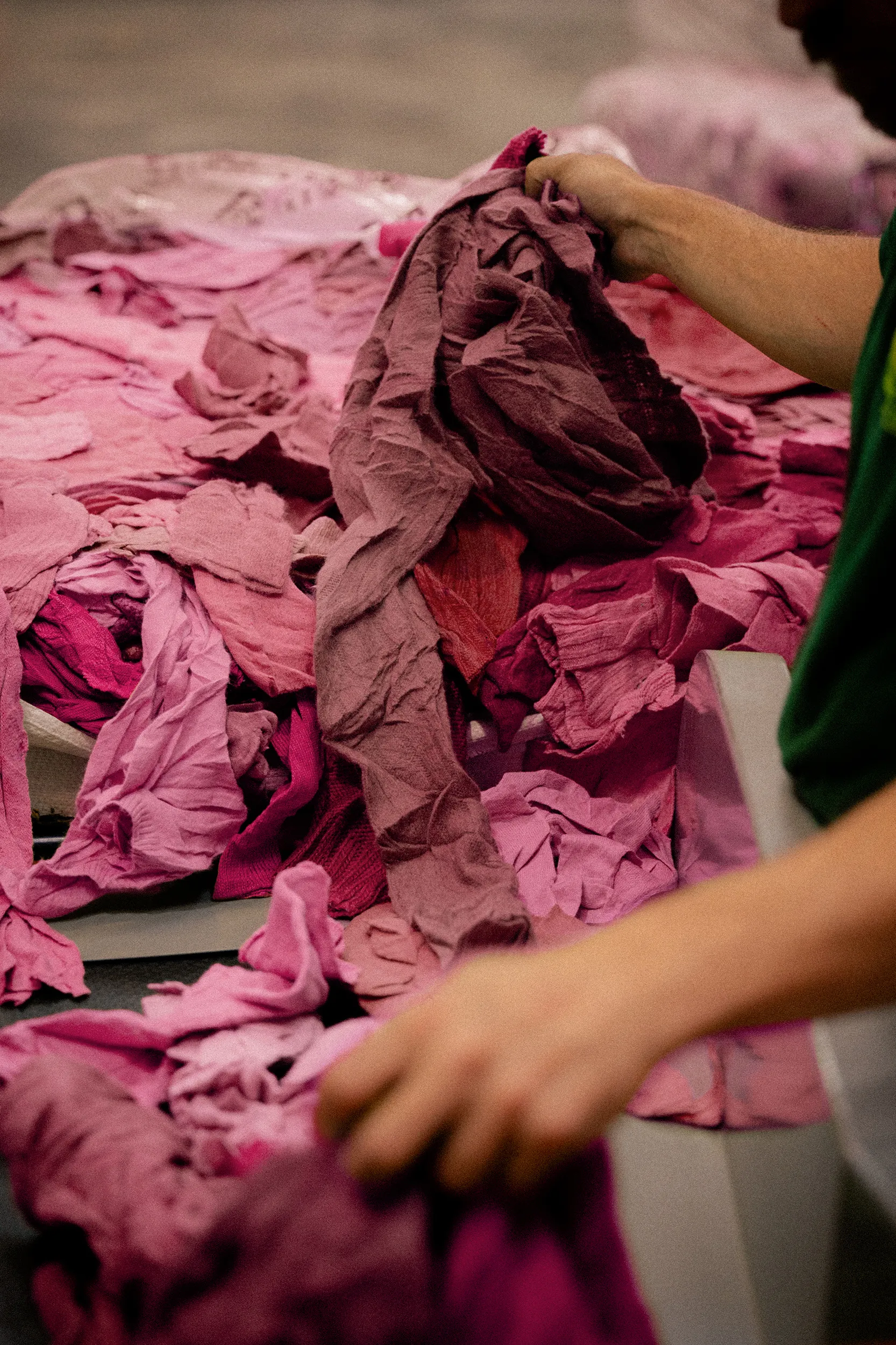
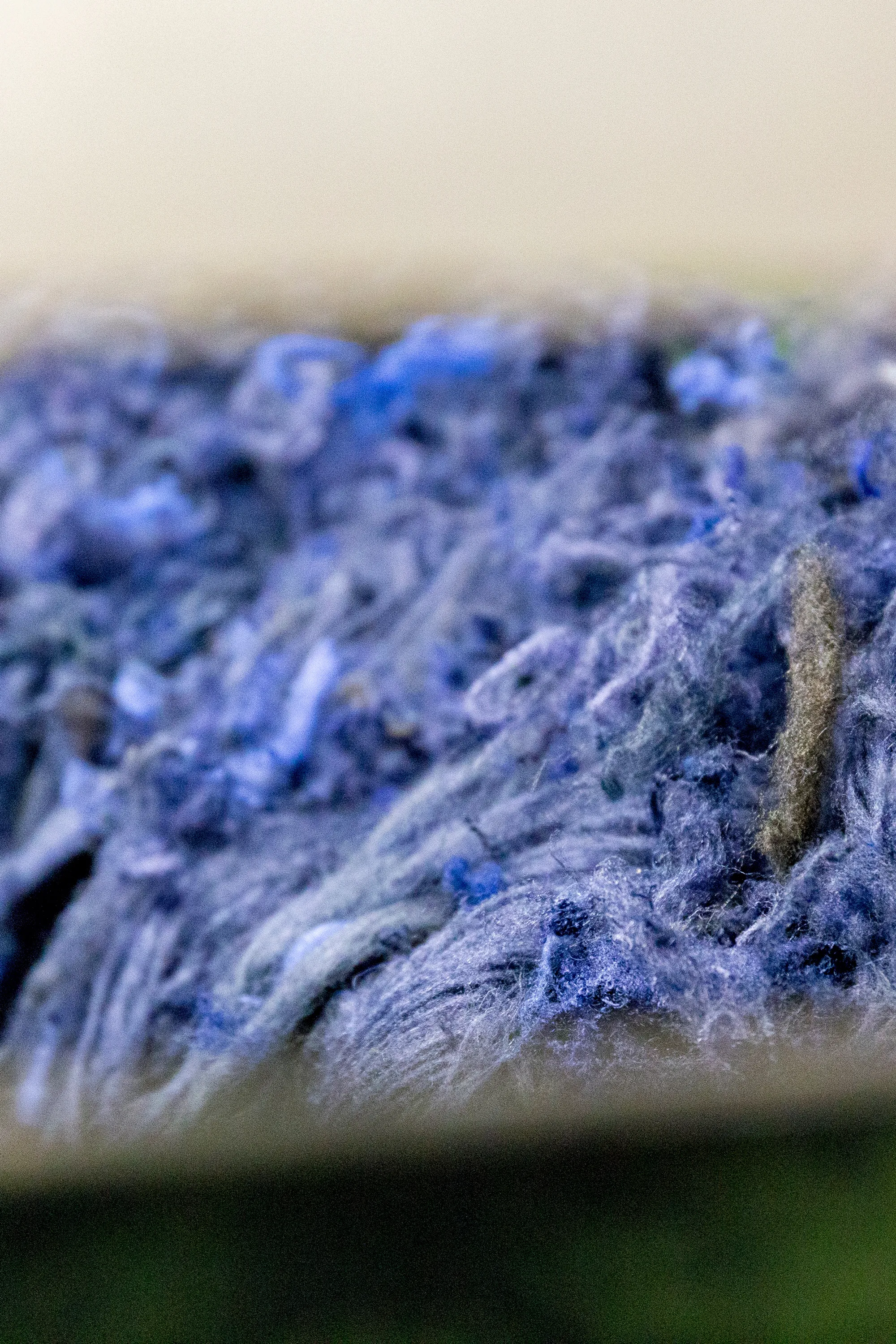
Everything begins with the origin of fibers, as well as the precise selection and composition of materials. At Filatures du Parc, expertise lies in understanding fibers, their lengths, and how they behave. Working with recycled materials requires constant observation, adjustment, and precision. Each yarn is designed according to its intended use, durability, and appearance, balancing technical demands with textile sensitivity.
-
The art of blending
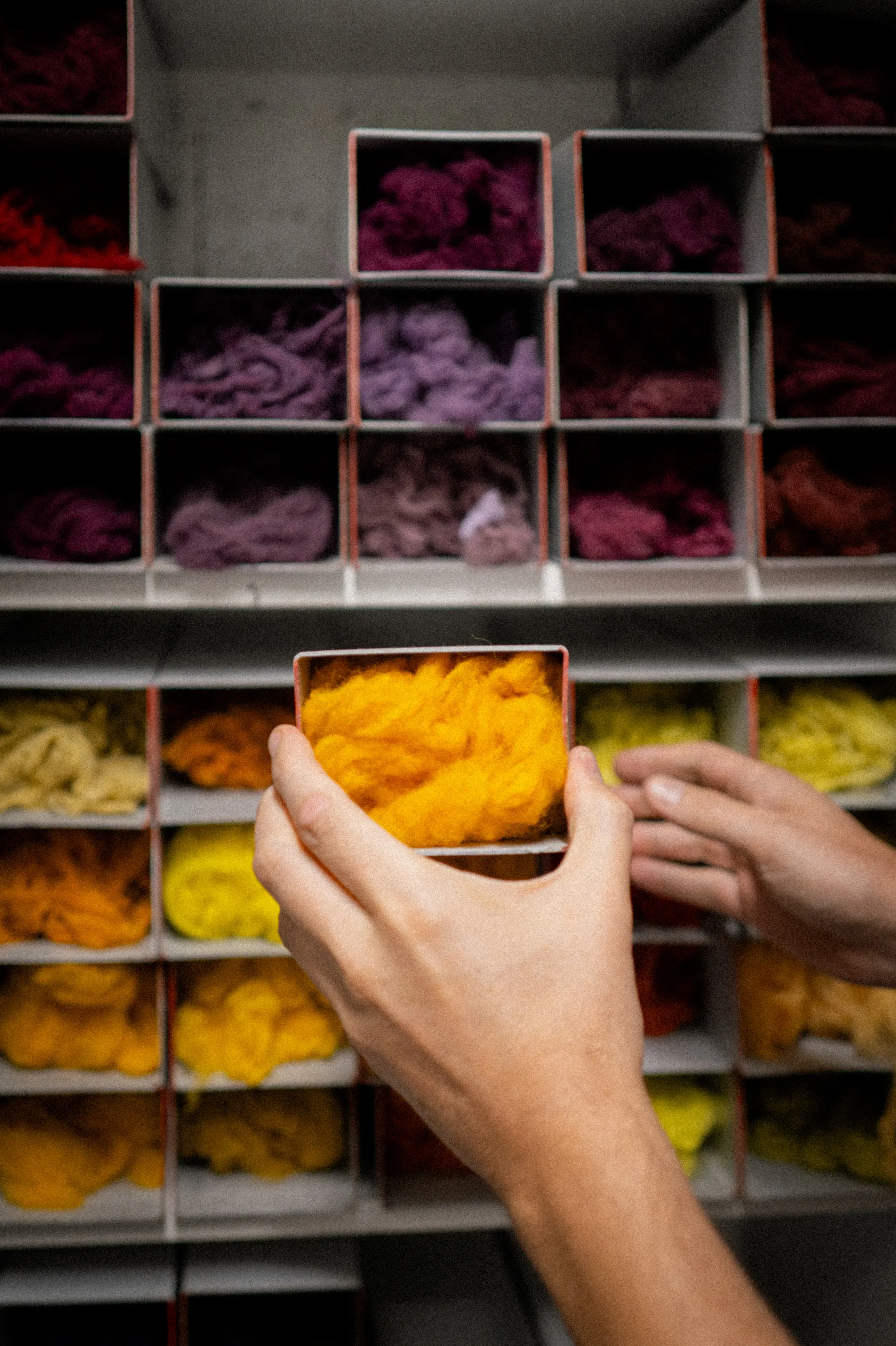
Blending is a cornerstone of Filatures du Parc’s expertise. Fibers are sorted, selected, and carefully assembled. Experience and creativity are essential for developing new materials and colors. Like a painter’s palette, fibers become shades, textures, and depth. The precise combination of materials and colors produces uniform, consistent yarns directly from the fiber itself.
-
Mastery of craftsmanship
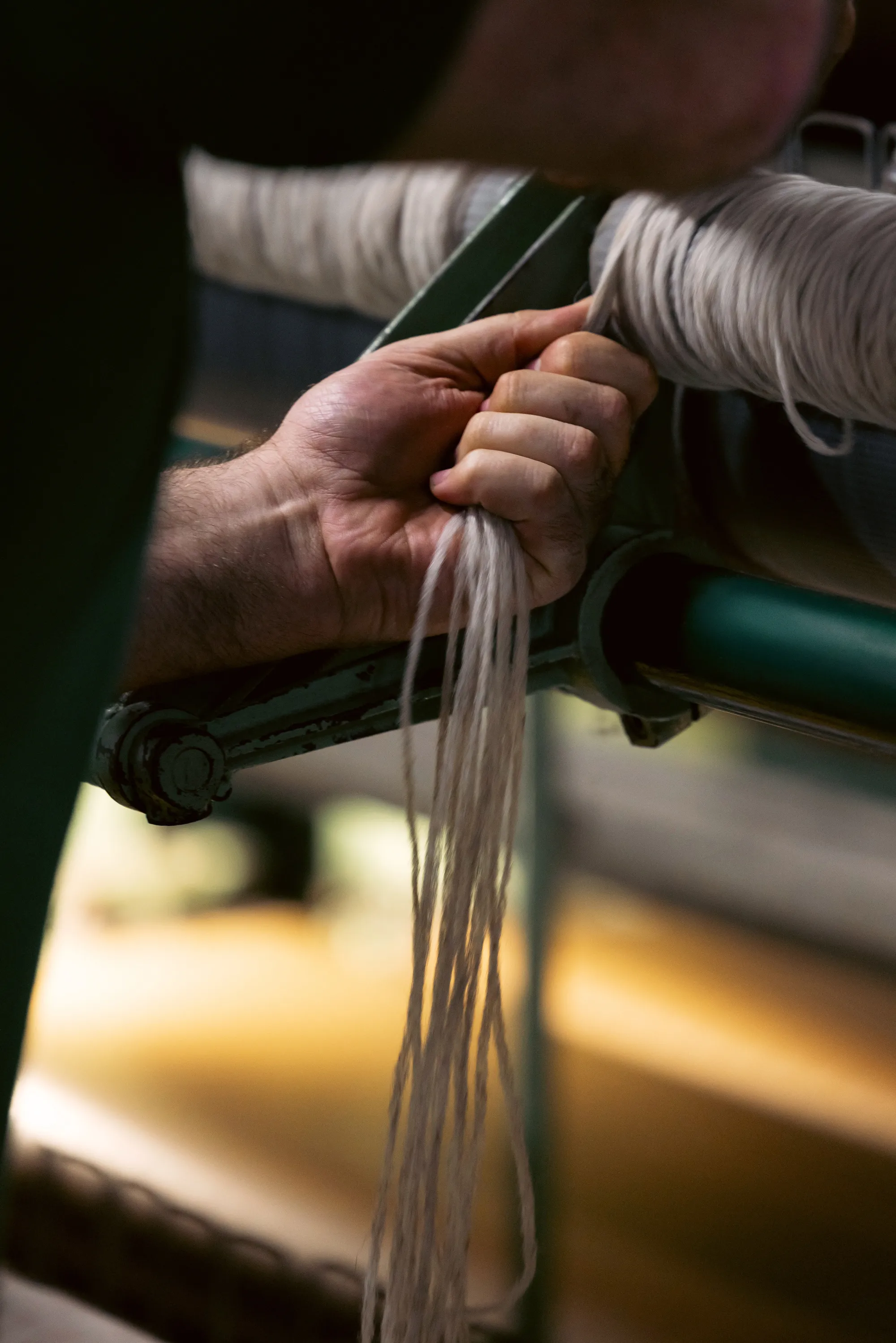
Observation, touch, and experience remain essential at every stage of work at Filatures du Parc. While machines transform materials, human expertise remains at the heart of every decision. Skills are developed over time in workshops and laboratories through collaboration with experienced and passionate teams. This expertise guarantees yarn consistency, strength, and stability regardless of the materials used.
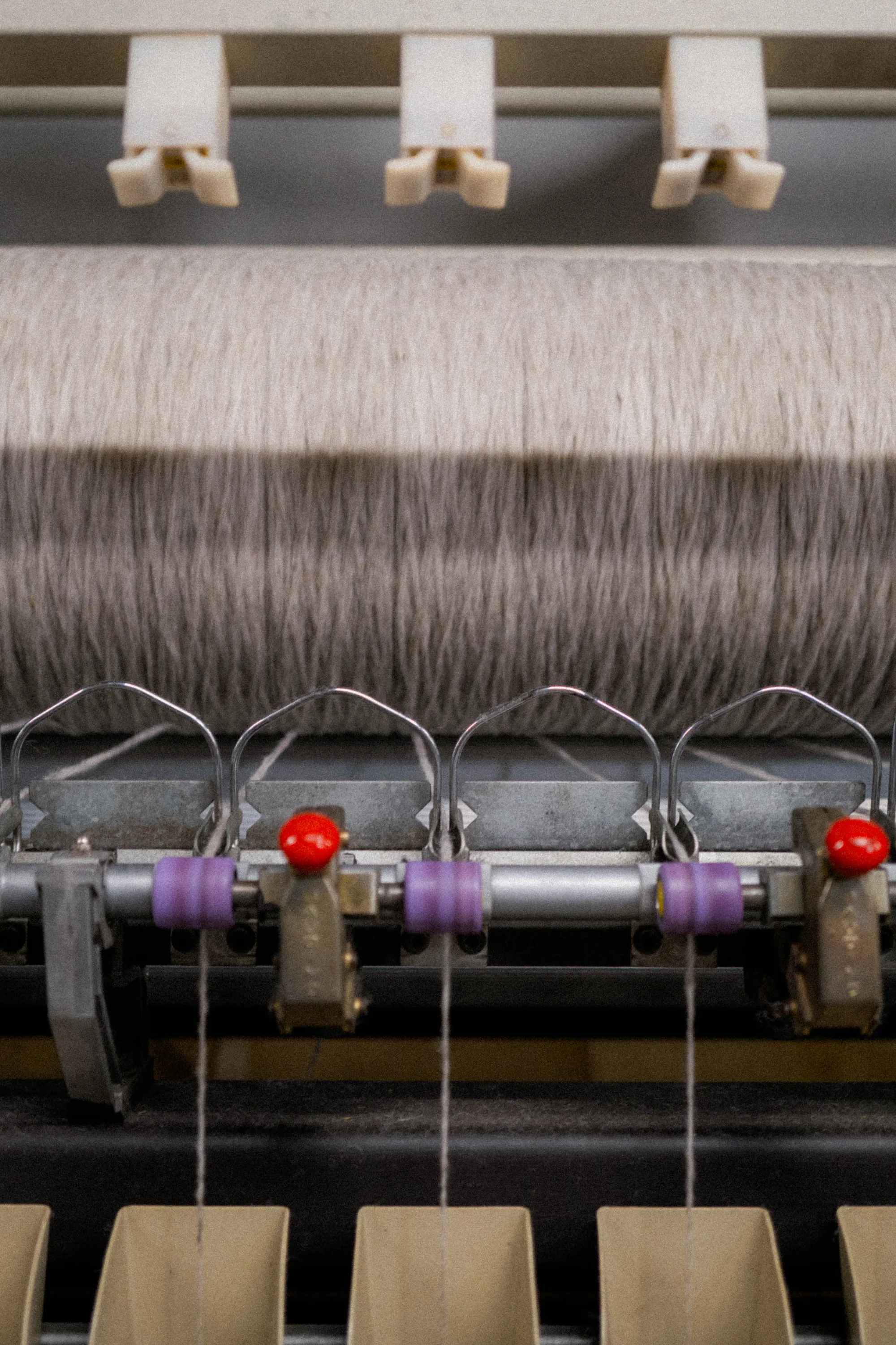
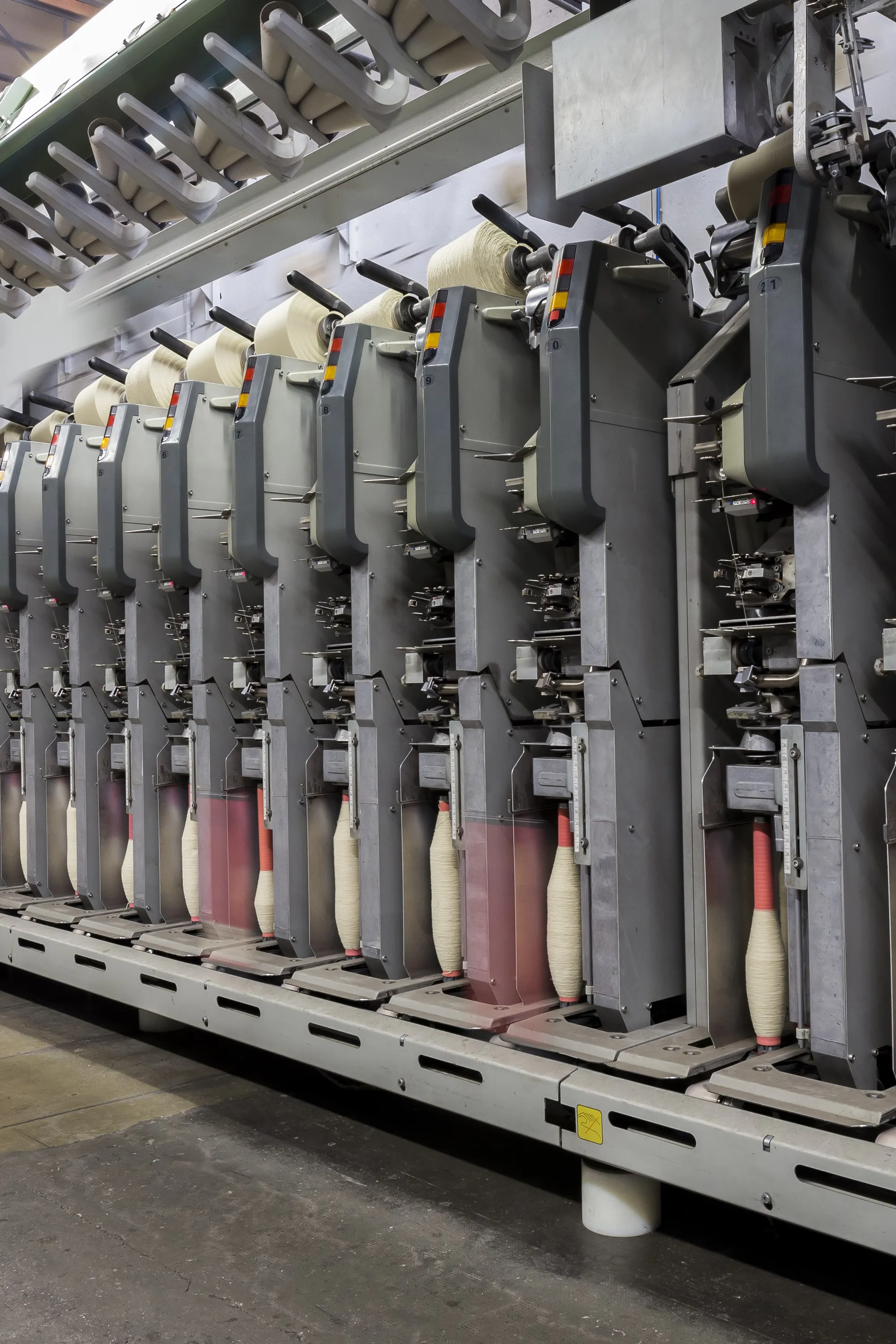
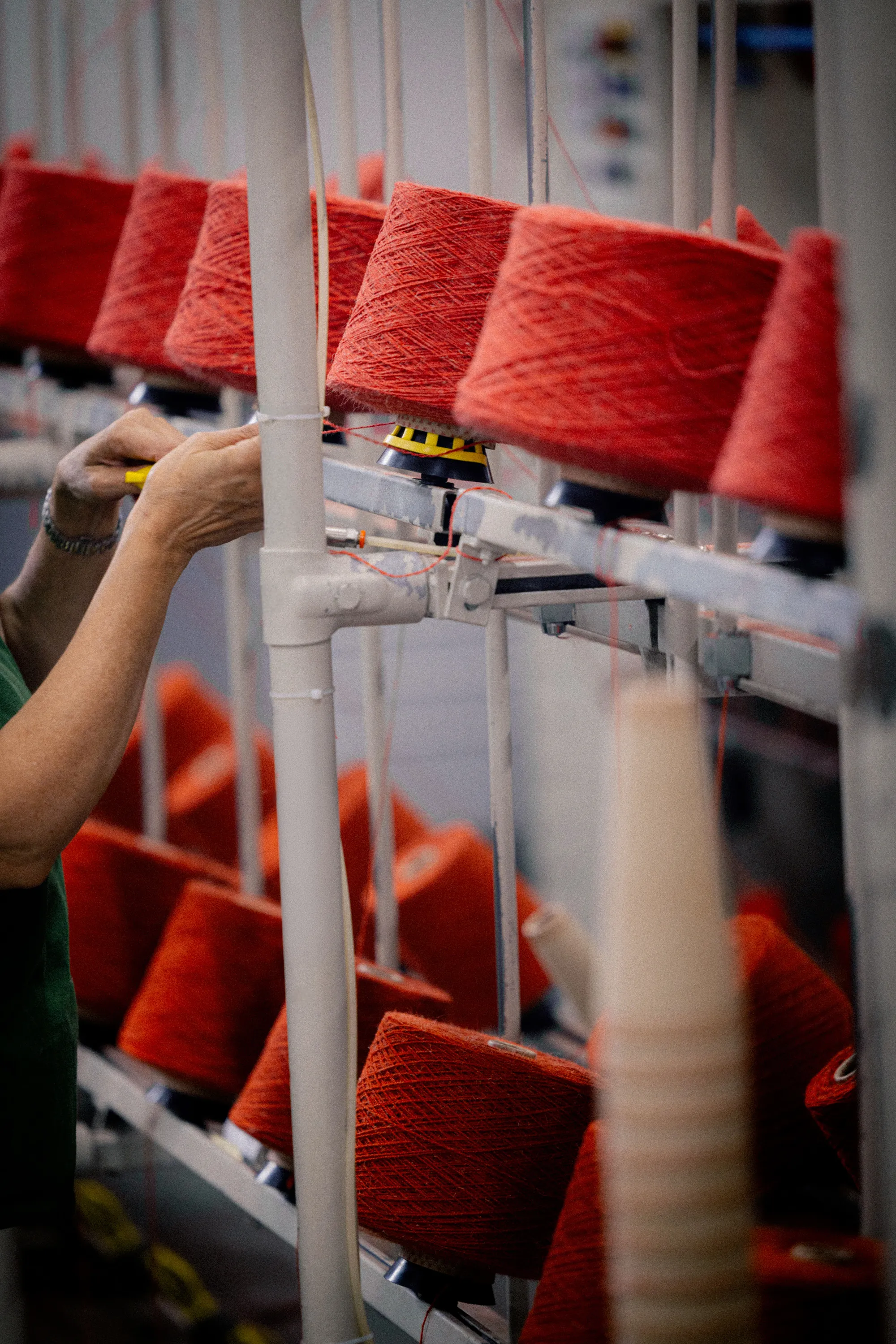
Production in 8 steps
-
4+
The yarns contain blends of at least four different fibers of animal, plant, or synthetic origin. This blending creates yarns tailored to diverse customer needs (fashion, furnishings, etc.).
-
80%
80% of Filatures du Parc yarns contain recycled material, with recycled content reaching up to 50%.
-
98%
Life cycle analyses of recycled yarns show up to a 98% reduction in environmental impact compared with equivalent virgin-fiber yarns.
-
500
Filatures du Parc has an annual production capacity of approximately 500 tons of carded yarn.
-
30
Thirty employees trained internally embody the collective expertise and process mastery at the Brassac production site.
-
5
It can take up to five years to become a color specialist and master the blending of materials and colors, a key skill passed on within the spinning mill.
“A product that has already lived through everyday use has experienced all kinds of wear and stress. What remains is the best part — what has endured. When we can process it into long fibers, we can recreate a product of excellent quality.”
Fabrice Lodetti